Master in Tourism and International Hospitality Management (MTIHM003)
Master in Tourism and International Hospitality Management (MTIHM003) at LSTH
The Master in Tourism and International Hospitality Management (MTIHM003) is built for people who have done a few years on the floor or in offices and are now ready to think about destinations, portfolios and global service operations rather than individual properties. It combines tourism management and international hospitality into one strategic lens, which mirrors how the industry actually works at senior levels.
This is a postgraduate qualification with sharper expectations — analytical thinking, strategic reasoning and the ability to draw on the wider tourism and hospitality system, not just the property in front of you.
Why a Combined Tourism and Hospitality Master's
Hotels live or die by destinations. Destinations rise and fall on the strength of their accommodation, attractions and service infrastructure. Trying to manage one without understanding the other tends to produce shallow leaders. The Master in Tourism and International Hospitality Management deliberately keeps both in scope so you finish able to speak the language of hotel groups, DMOs, DMCs, OTAs and tourism boards alike.
Who This Master's Is For
- Working hospitality managers ready for regional or head-office roles.
- Tourism professionals moving from product or operations into strategic positions.
- Graduates from related undergraduate programmes (business, languages, geography) crossing into hospitality.
- International students aiming at senior service-sector roles in hotel chains, tourism boards or international operators.
What You Cover in the Master in Tourism and International Hospitality Management
The Master in Tourism and International Hospitality Management (MTIHM003) typically threads strategic, operational and analytical content. Expect engagement with:
- Tourism economics, destination management and the wider DMO landscape.
- International hotel operations — chain models, brand standards, regional reporting structures.
- Service strategy and guest experience design across multi-property portfolios.
- Revenue, distribution and the ADR/RevPAR conversation that drives commercial decisions.
- Sustainability, ethics and the political dimensions of mass tourism.
- A research or applied project to demonstrate independent thinking.
Where Graduates Tend to Go
Graduates of the Master in Tourism and International Hospitality Management typically progress into roles such as area or cluster management trainees with hotel chains, destination marketing executives at tourism boards, operations analysts at OTAs and travel groups, MICE or product strategy leads at DMCs, and management consultants serving hospitality clients. The qualification also supports career changes into hospitality from adjacent industries.
How the Programme Is Delivered
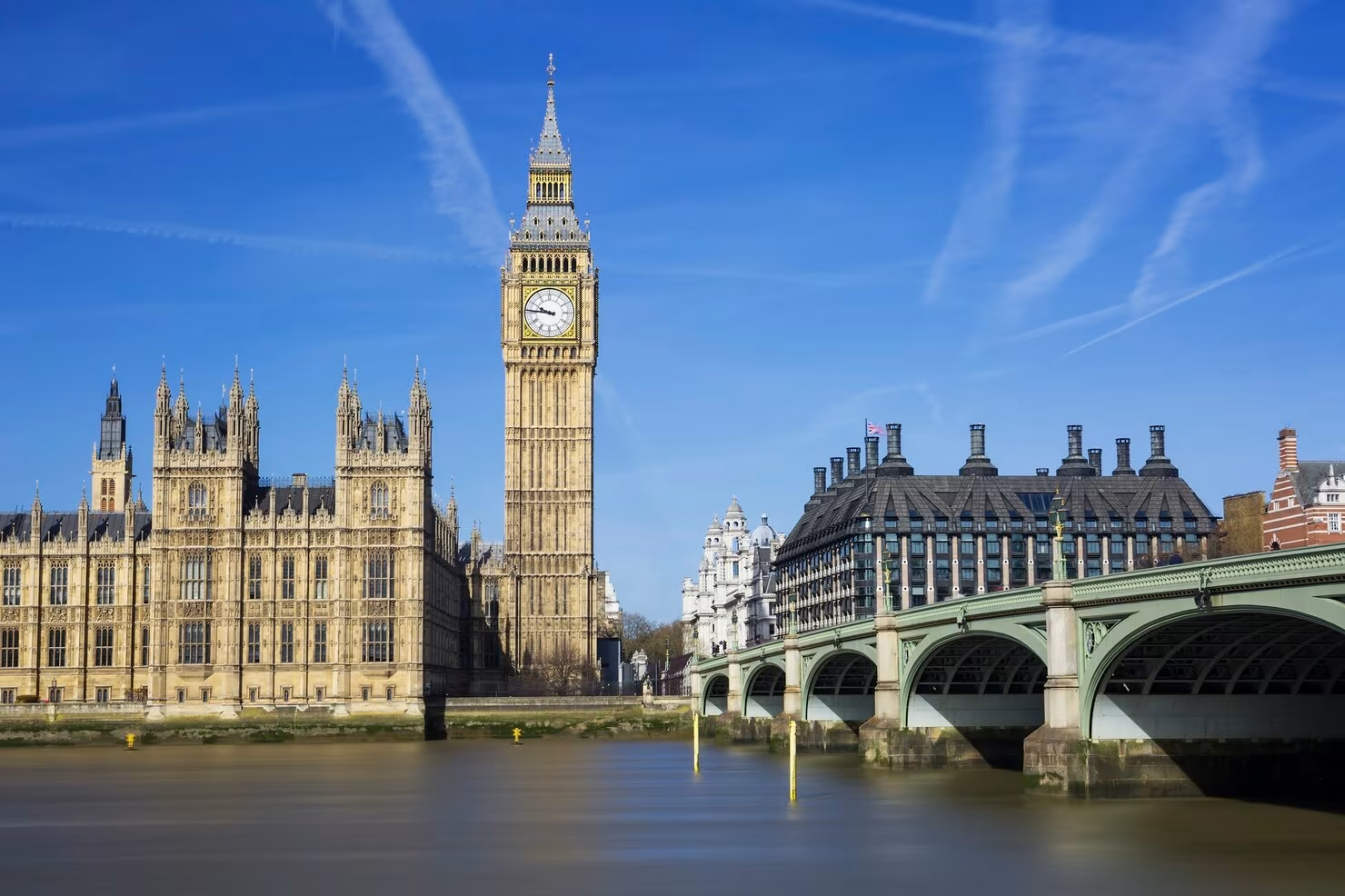
The master's is offered on campus in London, online and via distance learning. Module sequencing, project structure and intake calendar are confirmed by admissions. London adds a meaningful real-world dimension — it is one of the world's most-visited cities and a base for chains, agencies and tourism organisations.
Entry Requirements
- A bachelor's degree (or equivalent) in a related discipline. Significant industry experience may also be considered.
- IELTS 6.0 or equivalent for non-native English speakers.
- Minimum age 21 at enrolment is typical for master's-level study.
- A personal statement and (where relevant) CV strengthen your application.
Apply for the Master in Tourism and International Hospitality Management
If you are ready to move from running one property or one destination to thinking across many, the Master in Tourism and International Hospitality Management at LSTH is built for that step. Click Enroll Now and admissions will respond within one working day with intake dates, fees and document requirements.